

Marlies Verschueren: “Stand-up comedy is my life’s mission”
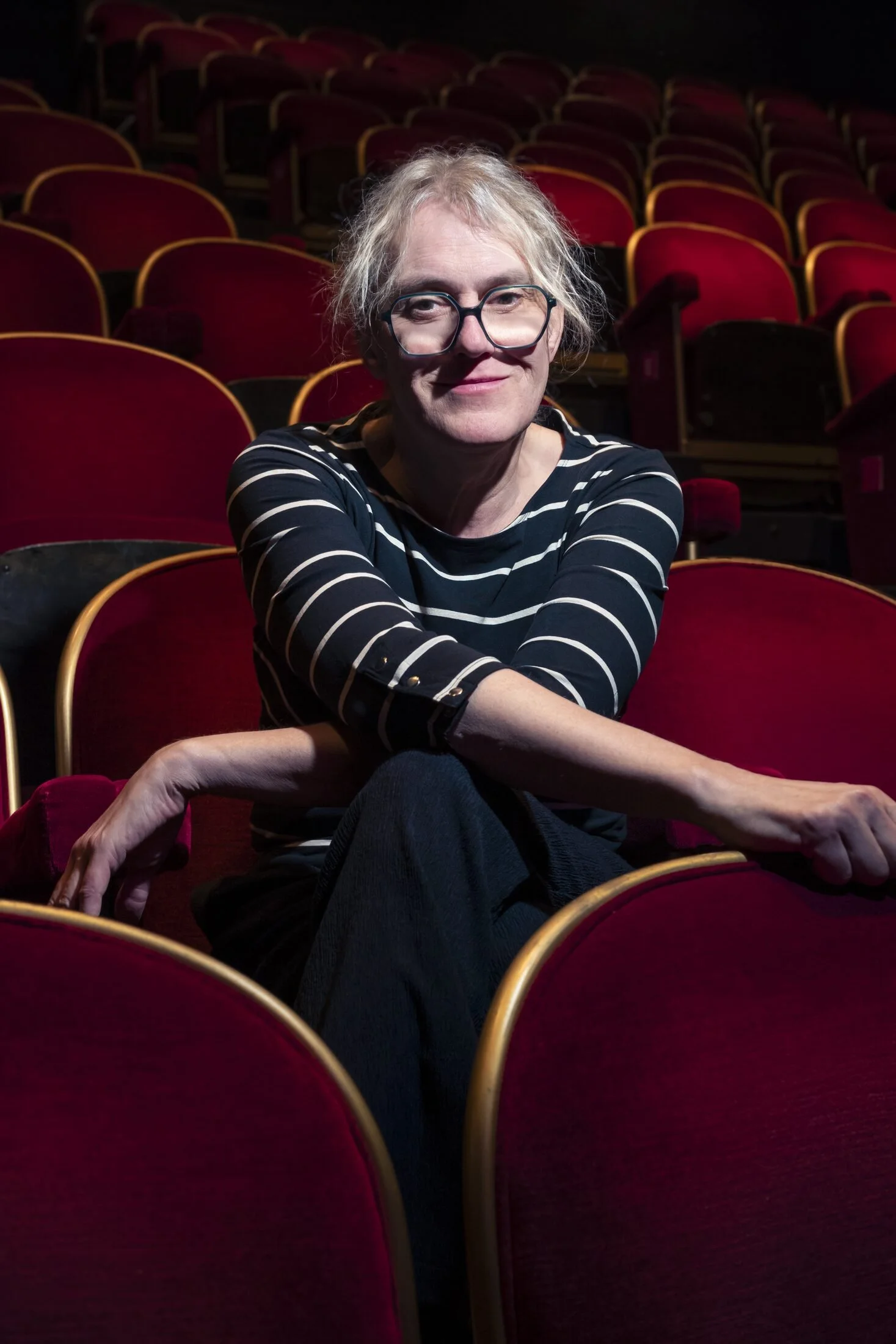
“I never thought I’d do stand-up comedy, especially not before my transition. I was actually a very introverted man, always seeking privacy. I even used to complain that I was never alone. Now it’s completely different. I can’t be alone anymore; I want to be around people. I’m juggling seven hundred things at once. I’m in the process of selling my business, I’ve started a new restaurant with my daughter, and on top of that, I’m directing a play for the Antwerp Queer Theatre, which I co-founded. I feel like I have to make up for lost time. I’m getting a bit older, so now’s the time to do it!”
“Standing on stage and exposing myself like that is, of course, nerve-wracking, but coming out was a thousand times harder. My first performance was very nerve-wracking, but luckily it went well. People laughed. After that, I kept performing—in cafés, parish halls, and as an opening act. People never knew in advance that a trans woman would be on stage. At first, I’d introduce myself by saying, ‘Sorry, I’m transgender.’ But now my confidence has grown, and I just say, ‘I’m transgender.’ I’ve actually never had a negative reaction. People listen; they’re curious. This is a story they haven’t heard before.”
“I use personal anecdotes—exaggerated, sometimes absurd. Humor is very important; it brings people together. I’ve performed in all kinds of places, from biker bars to cultural centers, and it works everywhere—people find common ground through laughter.”
“I truly feel that performing is my life’s mission. My sense of humor makes people listen. They get information, feel comfortable asking questions, and that’s how they learn. I tell all my stories in a very authentic way. The audience is also welcome to ask questions, and yes—those can be personal or serious questions, too. I always answer very sincerely; I owe that to my audience.”
Transphobia is a form of misogyny
“Sometimes the subject matter is a bit heavy. What do you expect? What’s happening in the world today with regard to trans people doesn’t exactly cheer me up. Sometimes I have to shut it all out. Still, I want to keep telling my story, because the hatred toward trans people often runs very deep. It’s about the rejection of everything feminine. I would go so far as to say: transphobia is a form of misogyny.”
“My own journey wasn’t easy: a lifetime of gender dysphoria. As a teenager, I was very androgynous. Still, I followed a traditional path: marriage, children. But it kept gnawing at me, and when I realized that transitioning might be possible, I couldn’t let go of the idea. One question, though, kept gnawing at me. ‘Am I trans enough? Am I unhappy enough to risk everything?’ For a long time, I thought not, but now I do. I’m truly living now.”
“Coming out was incredibly difficult, especially because it hurts people. My wife isn’t a lesbian, which is why we broke up. I know my daughter sometimes misses her dad. It’s still hard, but to me, it feels like the only right path.”
“I started doing stand-up to learn how to use my voice. At first, I was too shy to speak because my voice was so low. I took speech therapy, and at some point I signed up for a stand-up comedy class. I want to keep doing it—it’s a little addictive: that rush when the audience laughs. I’d love to go on tour, tell my stories, make people laugh, and still get a message across. For me, that’s become my way of being in the world.”